Alice Hoatson born about March 1859 in Halifax, Yorkshire England and died in December 1944 at Edmonton, Middlesex England. Alice was a niece of the Reverend George Hoatson, Vicki’s 2nd Great Grandfather, making her Vicki’s 1st cousin 3 X removed. Alice, the sixth child of Joseph Cockin Hoatson and Ruth Smith was only four when her father died, leaving the family destitute. Fortunately for her and her siblings, a relative set up a progressive education trust for the children and Alice proved to be a very good student, possibly gaining a broader education than many young women of her age. Her elder brother, John Percival Hoatson became a Minister of Religion, a vocation that many Hoatsons and their maternal ancestors, the Cockins, pursued. We will get to the Reverend John Percival Hoatson in a separate post as he also led a fascinating life.
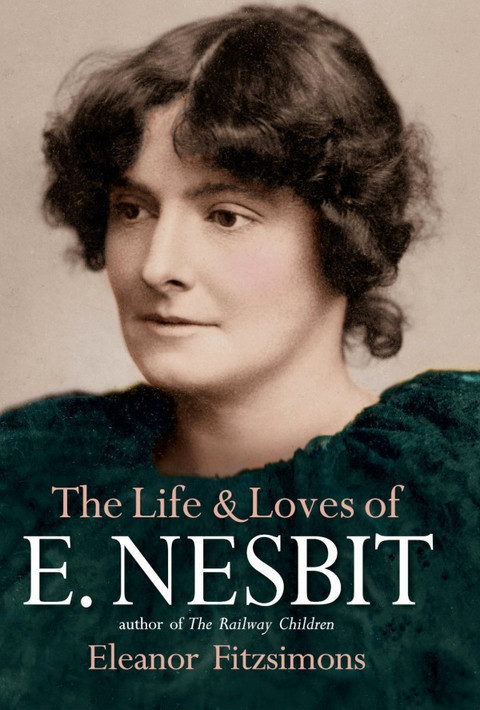
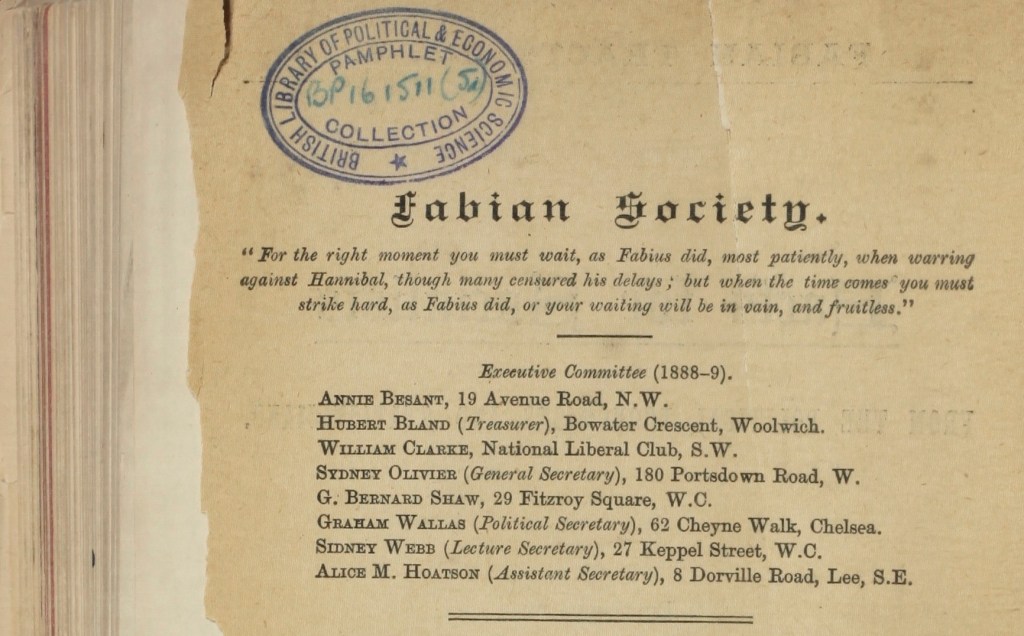
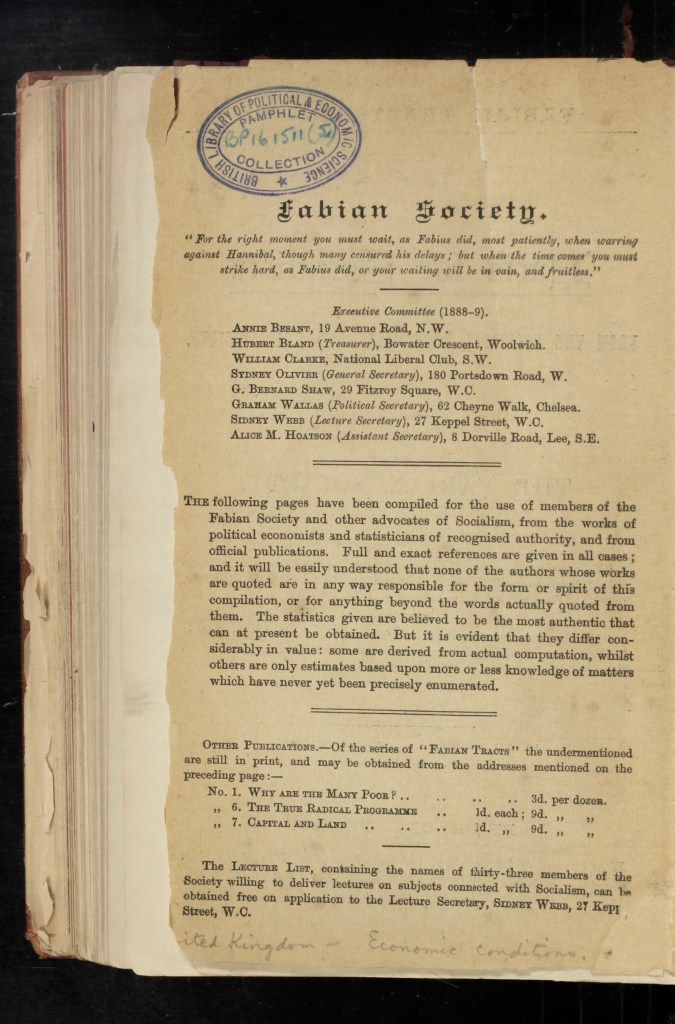
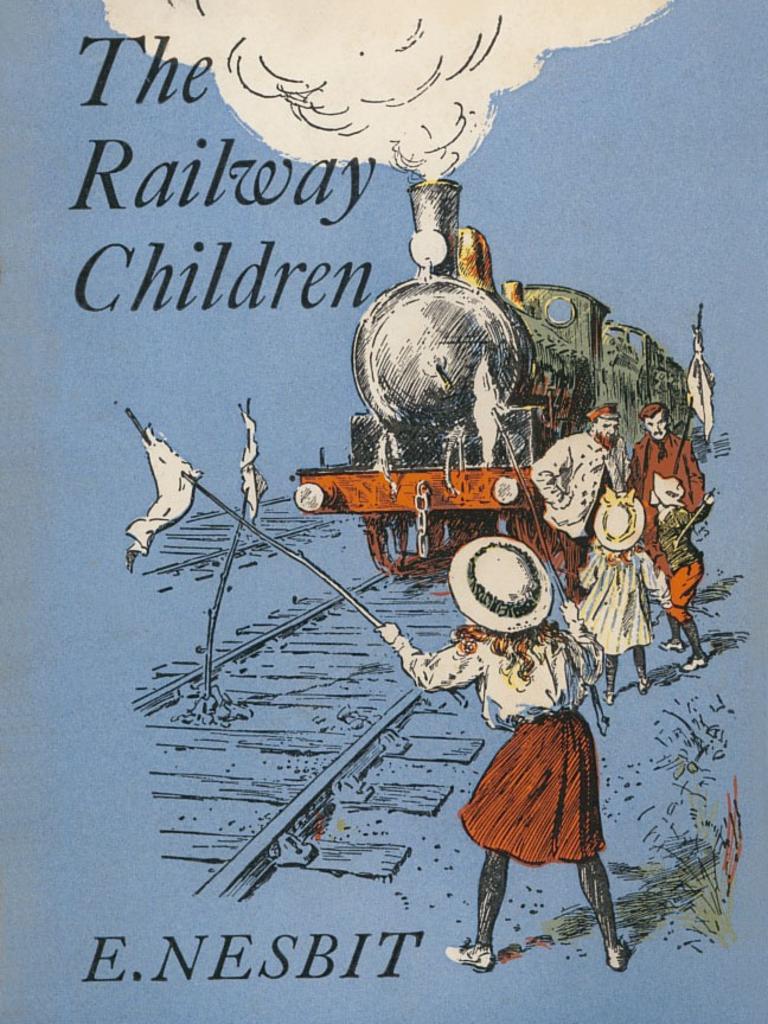
Alice Hoatson lived in the centre of an extraordinary love triangle which developed in 1886 when Alice came to stay with one of her friends, Edith Nesbit, who had just suffered a miscarriage. Nesbit, author, poet and one of the founders of the Fabian Society (with her husband, Hubert Bland) is well known for her book “The Railway Children”. Alice Hoatson was also involved in the founding of the Fabian Society and is listed as part of the Executive Committee in 1889. Edith Nesbit and Alice Hoatson had met when Nesbit approached a Fleet Street magazine about accepting one her stories. Alice was working at the magazine as a journalist and agreed to publish the story. Edith was beautiful and extrovert, Alice was introverted and mouse-like, but they became best friends.
In the words of Sarah Watling from an article from 26th October 2019:
“In 1880, the 21-year-old Edith married Bland, then a bank clerk. He was tall and athletic, powerful seeming. The description left by George Bernard Shaw, a close friend of the couple during their early marriage, makes Bland sound like a bully; nevertheless he was popular with women.
On his nights away from home, Nesbit’s friend, Alice Hoatson, kept her company. When a devastated Nesbit suffered a stillbirth, it was Hoatson who had to prise the dead baby from her arms; before long she had moved in permanently. They told people she had joined them because she was seriously ill; in fact she was heavily pregnant. Nesbit agreed to raise the child, a girl named Rosamund, as her own. It is unclear when she discovered that Bland was the baby’s father. Rosamund would later claim that Nesbit only found out six months after the birth and would have thrown the pair out if Bland hadn’t threatened to leave with them. Others assumed that Nesbit had always known and may even have engineered the affair to get her husband away from a lover she disliked. She had her own intense romantic friendships – Shaw being one – yet her biographer, Eleanor Fitzsimons concludes that these were probably platonic. After all, she notes drily, Bland “held women to a high moral standard”.
Further in the article, Watling writes: “Another way of understanding the menage a trois between Bland, Nesbit and Hoatson (who would have a second child with Bland, a son they pretended was Nesbit’s) is as a fruitful and long-lasting collaboration between the two women. Nesbit was already an acclaimed poet by the time her children’s stories, often serialised in the Strand magazine, began to improve the family’s fortunes. The first Bastable book, The Story of the Treasure Seekers, appeared in 1899. The still-precarious family finances depended on Bland and Nesbit (they sometimes collaborated) churning out articles, stories and novels. Hoatson’s management of the home and children freed Nesbit to create. She generally set the tone. Her moods could plunge the whole household into gloom just as she enlivened everything when she was happy. Most agreed that Nesbit and Bland thrived on all the drama.”
Living in Eltham, south-east London, Nesbit kept a second home in Crowlick, East Sussex from 1911. However, when Hubert Bland died in 1914, Alice Hoatson was ordered out of the Nesbit house. Nesbit re-married and moved to Kent in 1920, dying of lung cancer in 1924.
Alice became a recluse, didn’t marry, and very little is known of her life after Nesbit. She died in 1944 at the age of 75.
 miles of irvings
Leave a comment